Building codes, wind mitigation, flood zones and condo safety rules: what to look into before you buy in a Florida golf community.
Florida living comes with weather. Thoughtful buyers in club communities treat storm-readiness and insurance as part of choosing a home, not an afterthought. Here is what to look into.
Year of construction matters
Florida adopted a statewide building code in 2002, and it has been strengthened in later editions. Homes built under it generally include stronger roof attachments, impact-rated or protected openings and other wind-resistant features. Older homes may have been upgraded since, or may not.
Ask when the home was built, when the roof was replaced and whether windows and doors are impact-rated or have shutters.
The wind-mitigation inspection
A wind-mitigation inspection documents features that reduce wind damage, such as roof shape, roof-deck attachment, roof-to-wall connections and opening protection. Insurers use it to apply discounts, which can be meaningful. Many buyers order one alongside the standard home inspection.
Insurance: get quotes early
Florida's insurance market has changed considerably in recent years. Before you are committed to a home, ask an agent for quotes covering:
- Homeowners (wind and hazard), including the hurricane deductible, which is often a percentage of the dwelling coverage.
- Flood, which is separate from standard homeowners policies.
- For condos, the unit-owner (HO-6) policy, plus what the association's master policy covers.
Older roofs and certain features can affect eligibility and price, so it helps to know early.
Flood zones and water features
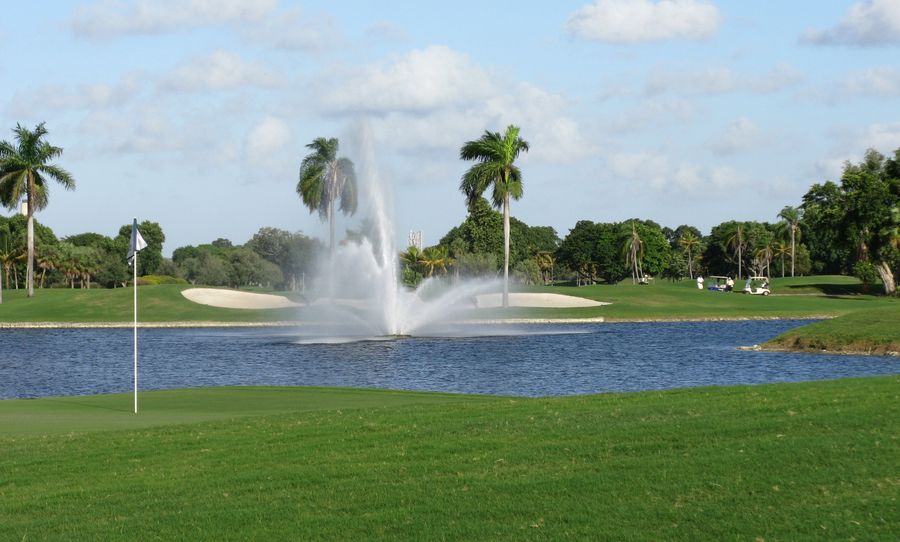
Lakes, lagoons and canals are part of what makes many golf communities beautiful, and they also play a role in drainage. Check the property's flood zone, ask about the community's stormwater system, and get a flood quote whether or not the lender requires one.
Condominiums: new safety rules
For condominium and cooperative buildings of three or more habitable stories, Florida now requires:
- Milestone structural inspections, beginning when a building reaches 30 years old and repeating every 10 years.
- Structural integrity reserve studies covering roofs, structure, waterproofing, windows and other key components, with reserves that owners can no longer vote to waive.
These rules protect owners but can raise association fees or lead to special assessments. If you are buying a mid-rise unit, ask for the latest milestone inspection, the reserve study and the current budget.
Community preparedness
Well-run club communities have hurricane plans: debris removal contracts, generator backup for gates and clubhouses, and communication with residents who are away. Ask what the plan is, and how the community fared after recent storms.
The bottom line
None of this should stop you from buying in Florida, but it should shape what you buy and how you budget. A newer home or a well-maintained, well-documented one, the right policies and a community with a plan make for peace of mind when the season comes.
This article is general information, not insurance or legal advice. Consult a licensed Florida insurance agent and a real estate attorney about your purchase.